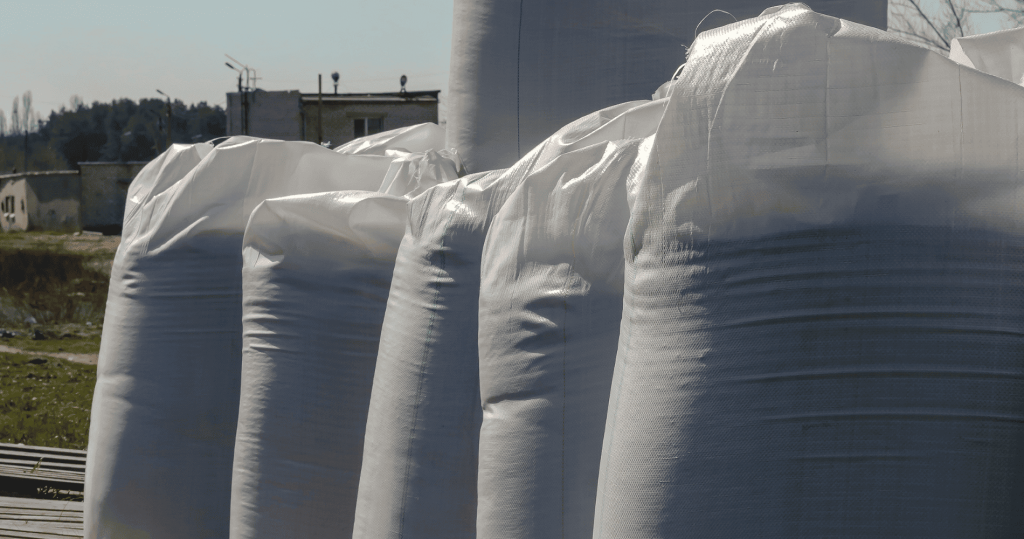
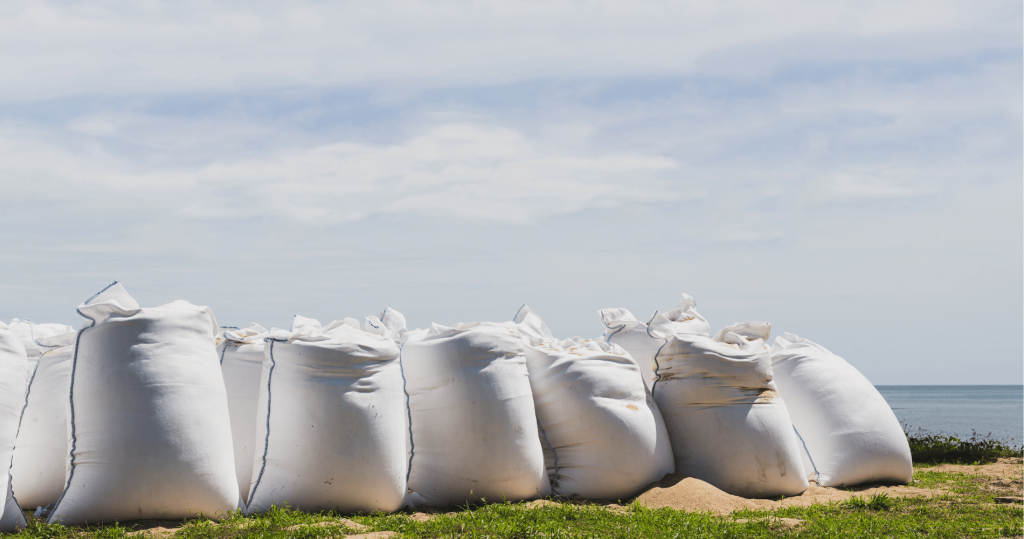
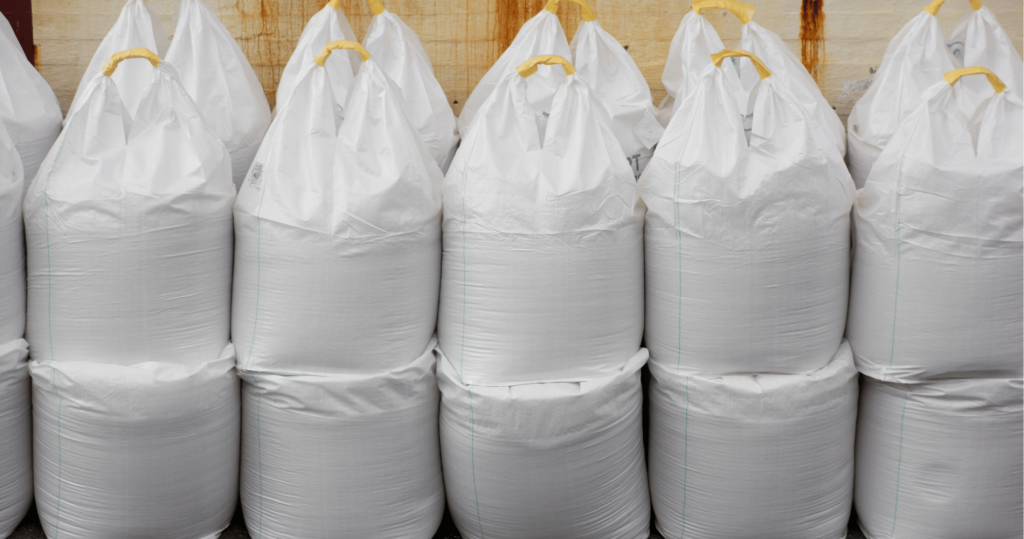
Wytrzymałe worki na gruz i odpady budowlane – jak wybrać elastyczne kontenery big-bag bezpośrednio od producenta?
Zarządzanie odpadami na placu budowy lub podczas generalnego remontu wymaga logistycznej precyzji oraz niezawodnego sprzętu. Materiały takie jak pofragmentowany beton, stare tynki, kafelki czy elementy instalacji charakteryzują się ogromną wagą oraz ostrymi krawędziami. Tradycyjne metody pakowania szybko zawodzą, prowadząc do uszkodzeń opakowań, rozsypywania zawartości i niepotrzebnych przestojów. Współczesnym standardem na profesjonalnych budowach stały się wielkogabarytowe kontenery elastyczne. Wybierając odpowiednie worki na gruz, inwestorzy i firmy wykonawcze poszukują rozwiązań łączących bezkompromisową trwałość z ekonomią zakupu.
Dlaczego worki big-bag są standardem przy składowaniu i transporcie gruzu?
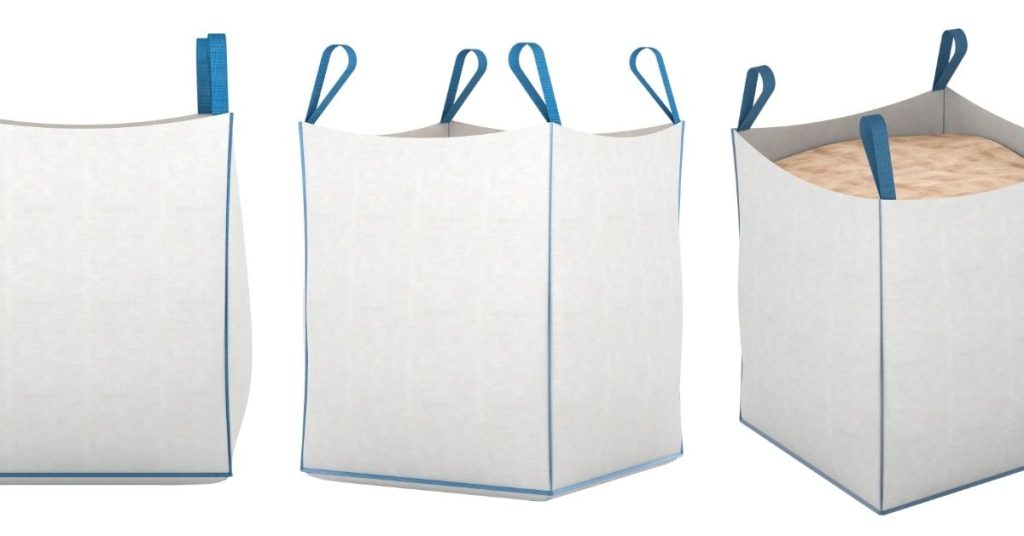
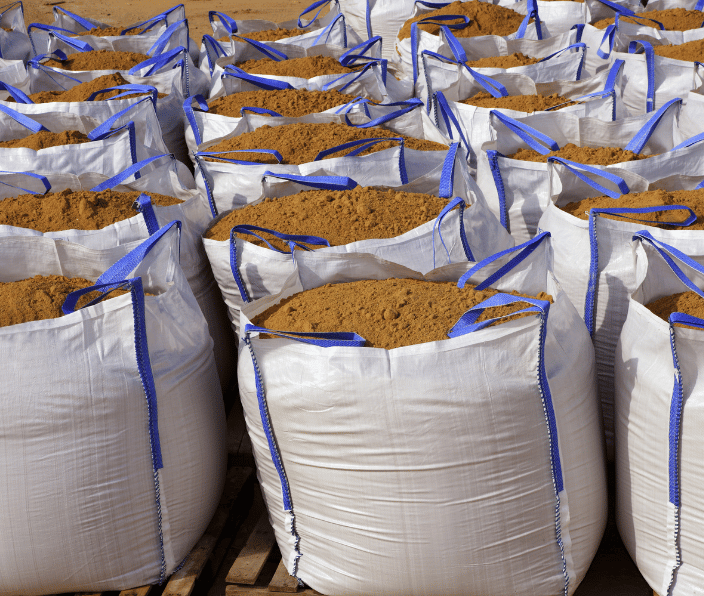
Gruz po rozbiórce ścian, posadzek czy fundamentów to materiał skrajnie trudny w przechowywaniu. Ze względu na zróżnicowaną frakcję i agresywną strukturę mechaniczną, wymaga stosowania opakowań o najwyższych parametrach wytrzymałościowych. Czteroizaczepowe (4P) worki na gruz typu big-bag stanowią optymalne rozwiązanie systemowe, akceptowane przez wszystkie firmy wywozowe i komunalne w Polsce.
Kluczowe argumenty przemawiające za ich powszechnym wdrożeniem to:
Imponujący udźwig: Standardowe kontenery oferują bezpieczną ładowność od 1000 do nawet 1500 kg, co pozwala na masową relokację odpadów za jednym podejściem.
Uniwersalność logistyczna: Cztery solidne zaczepy narożne są w pełni kompatybilne z hakami dźwigów, HDS-ów, ładowarek kołowych oraz wózków widłowych.
Wielofunkcyjność: Poza funkcją składowania odpadów po rozbiórce, worki te doskonale sprawdzają się przy dostawie sypkich komponentów budowlanych, takich jak piach, kruszywa, ziemia czy kostka brukowa.
Technologia Premium – co wyróżnia dobre worki na gruz?
Rynek zalany jest tanimi opakowaniami importowanymi, które ze względu na niską gramaturę rozrywają się pod wpływem naporu ostrych krawędzi betonu. Polski producent worków big bag Libamix opiera swoją produkcję na rygorystycznych standardach technicznych, eliminujących ryzyko wypadków na budowie.
A)Tkanina polipropylenowa 150+ g/m2 ze stabilizatorem UV
Podstawą konstrukcji jest polipropylenowa tkanina o gramaturze nie niższej niż 150 g/m2. Zapewnia ona doskonałą barierę mechaniczną. Dodatek stabilizatora UV chroni strukturę polimeru przed degradacją słoneczną, co ma kluczowe znaczenie podczas długotrwałego składowania worków na otwartej przestrzeni placu budowy.
Często pomijanym, a kluczowym detalem konstrukcyjnym jest kolor uchwytów. Zastosowanie czarnych pasów nośnych nie jest zabiegiem estetycznym. Czarny barwnik z natury absorbuje fale UV w sposób, który przedłuża żywotność polipropylenu o 50% w porównaniu do standardowych, białych zawiesi. Dzięki temu ucha nośne nie parcieją i zachowują pełną nośność w pełnym słońcu.
C)Głębokie wszycie uchwytów
W budowlanych modelach Libamix taśmy nośne są wszywane na poziomie od 80% do 100% wysokości korpusu worka. W przeciwieństwie do budżetowych zamienników (gdzie pasy kończą się w połowie wysokości), głębokie przeszycie gwarantuje równomierne rozłożenie naprężeń podczas podnoszenia i zapobiega wyrywaniu ścianek bocznych.
Brak pośredników – realne oszczędności dla sektora B2B
Wybierając worki na gruz bezpośrednio z fabryki Libamix w Iłży, firmy budowlane omijają wielostopniowy łańcuch pośredników (hurtownie, dystrybutorów, marki własne marketów). Zakup bezpośrednio u producenta generuje oszczędności liczone w tysiącach złotych miesięcznie przy stałym zapotrzebowaniu kontraktowym. Własny, bogato zatowarowany magazyn pozwala na wysyłkę standardowych modeli w czasie 24-48 godzin, gwarantując ciągłość prac na Twojej inwestycji.
Szukasz idealnie dopasowanego rozwiązania dla swojej firmy?
Każde zamówienie traktujemy indywidualnie. Skontaktuj się z nami, a przygotujemy konkretną wycenę. Zadzwoń: +48 604 431 309 | E-mail: info@big-bag.pl | Serwis: big-bag.pl
big bag price
W Libamix definiujemy cenę big baga nie jako koszt jednostkowy opakowania, ale jako inwestycję w ciągłość Twojej produkcji. Nasze kontenery, nazywane "Mercedesem na rynku opakowań", powstają w oparciu o rygorystyczną kontrolę jakości każdego szwu i nitki. Dzięki zaawansowanej technologii multifilamentowej oraz precyzyjnemu szyciu grubymi igłami (4,3 mm), oferujemy produkty, które minimalizują ryzyko pęknięcia podczas napełniania lub transportu.
Sprawdź, jakie parametry techniczne realnie wpływają na wartość Twojego opakowania i jak nasze rozwiązania pomagają zwiększać zyski poprzez redukcję strat.
The most important components of the big bag price
Na pierwszy rzut oka, big bag wydaje się prostym produktem. Jego wytrzymałość i bezpieczeństwo to jednak efekt szeregu zaawansowanych procesów i starannie dobranych materiałów. Czego wymagają użytkownicy:
security guarantees,
reproducible quality,
high life expectancy,
versatility of applications.
To meet these expectations, it is necessary to use professional accessories and modern manufacturing methods. It is worth mentioning that the higher the quality standards used in production, the greater the impact on the final price of the product.
Technical details that determine value
Big bags produkowane są z polipropylenu, który poddawany jest rygorystycznej kontroli jakości i odpowiednim procesom wzmacniania. Proces specjalistyczny, wymagający zaawansowanego sprzętu, zaczyna się już na etapie przędzenia przędzy, z której później tworzone są taśmy uchwytowe i sama tkanina worka.
Needle thickness and sewing quality
One of the key stages of production is the sewing of big bags. The use of needles close to 4.3 mm thick, as practiced by leading manufacturers, significantly translates into stress distribution in the finished product. As a result, the seams remain resistant to cracking even under extreme conditions.
In practice, this means:
fewer complaints,
Higher comfort for operators,
Greater safety during loading and unloading.
Strength of carrier tapes and multifilament
Not every big bag is the same. In particular, the quality of the risers plays a key role. The highest standard is achieved by using tapes made of multifilament. For example: a tape composed of 123 strands of polypropylene silk with a strength of each strand of 2000DN. What does this mean? Each thread carries a load corresponding to a weight of about 14 kilograms (converting 1DN = 7g), and the whole forms a solid belt safely holding the load even in very difficult conditions.
A landmark of strength for such a bag:
Parameter
Value
SWL (max. load)
1000 kg
Tape strength
1250 kg
Number of threads in the tape
123
Strength of a single thread
2000 DN = 14 kg
SF ( safety factor)
5:1
Limit strength
5000 kg
Safety Factor: when certification is real safety
Each professional big bag is marked with a Safety Factor (SF) indicator. The user knowing that with a SWL (Safe Working Load) of 1000 kg and SF: 5:1, he can be sure that his bag has been tested and can withstand an overload of up to 5000 kg. Such a guarantee reduces the risk of failure, affects human safety and reduces the cost of potential damage.
Hot cutting
Production details have a direct bearing on quality, strength and price. All cuts of big bag components are made by hot cutting. This makes it possible to obtain precise edges that do not fray during use, while guaranteeing the aesthetic appearance of the full series of bags.
Segmentation of big bags vs. price differentiation
There are several basic types of big bags on the Polish market, differing in construction, purpose and price:
one-ear big bags,
bags with four handles,
Dump bottom variants,
hopper models.
The price of a particular product depends on both its design and size or strength parameters.
Comparison of big bags - summary of selected parameters
Type of big bag
Number of handles
Dump bottom
Max load
Example net price (2024)
1-handle (agricultural)
1
not
1000 kg
PLN 15-25
4-handle standard
4
not
1000 kg
PLN 25-40
4-handled with dump
4
yes
1000 kg
38-55 zł
Feed hopper + dump hopper
4
yes
1000 kg
45-70 zł
Reinforced types
2 or 4
variously
Up to 2000 kg
from PLN 50 and above
Parametry i zastosowania najpopularniejszych modeli opisujemy w osobnych artykułach: big bag 1000 kg oraz big bag 500 kg.
The price differences are due not only to the technology used, but also to industry requirements - for example, appropriate hygienic certificates are required for food transportation, while the chemical industry often uses anti-static big bags.
Where do the big price differences come from?
It is the strength and safety parameters that come to the fore. The more demanding the application, the higher the cost of raw materials, certification and quality control.
The second reason is size. A standard big bag 90x90x120 cm holds about 1 ton of material, but personalized manufacturing, unusual sizes or additional reinforcements significantly affect the price.
It is worth paying attention to the source of the raw material. So-called "economy" bags, often imported from outside the European Union, begin to come apart at the seams after a few runs. Domestic manufacturers, using certified materials and modern machinery, guarantee a consistent, repeatable standard.
What makes our solutions worth the investment?
The production of high-tech big bags is a series of activities aimed at both supporting productivity and minimizing risks during storage and transportation. The modern customer increasingly expects not only a low price, but also long-term reliability.
Features worth highlighting:
reinforced seams,
Precise finishes after hot cuts,
unambiguous strength certifications,
Customizable (size, number of handles, technical additions).
As a result, an investment in a better product often translates into real, measurable savings in the long run - fewer bags replaced, less frequent downtime, fewer incidents in the warehouse and on the production floor.
Stages of making a purchasing decision
Sometimes the most difficult moment is choosing the right option. To make this process easier, you can follow some simple rules:
Determine the maximum load required.
Answer the question whether special approvals (for food, chemicals, hazardous dust, etc.) are necessary.
Consider whether speed of unloading (dump bottom) or ease of backfilling (hopper) will be important.
Consult the manufacturer about personalization options.
Compare not so much the price itself, but the value of comprehensive support (delivery times, availability of advice, after-sales service).
This shows that the cost of a big bag is only one of many variables that determine the profitability of such an investment.
The future of big bags and the impact on the market
More and more companies are investing in ecology - big bags made from recycled materials and designs that allow for multiple rotation are being developed. Modern manufacturing technologies, such as advanced hot cutting and multifilament tapes, are slowly becoming standard.
Kupując worki od sprawdzonego producenta worków big bag, nie tylko chronisz swój towar, ale także zwiększasz bezpieczeństwo swoich pracowników i optymalizujesz długoterminowe koszty. Przemyślana decyzja przekłada się na spokój przy codziennej pracy z nawet najcięższymi ładunkami.
FAQ – Big bag cena i jakość
Co najbardziej wpływa na cenę worka big bag?
Cena jest wypadkową jakości użytych półfabrykatów oraz technologii produkcji. W Libamix na koszt wpływa m.in. stosowanie nici multifilamentowych (123 nici jedwabiu polipropylenowego w jednej taśmie ), precyzyjne cięcie na gorąco zapobiegające strzępieniu oraz podwójne szwy korpusu, które gwarantują bezpieczeństwo towaru.
Czy warto dopłacać za wysoki współczynnik bezpieczeństwa (SF)?
Zdecydowanie tak. Wyższa cena za worek z atestem SF 5:1 oznacza, że produkt o nośności 1000 kg (SWL) wytrzymuje obciążenie graniczne aż do 5000 kg. Inwestycja w certyfikowany Safety Factor to realna oszczędność – unikasz kosztownych strat towaru i awarii na linii produkcyjnej.
Dlaczego ceny u polskich producentów mogą różnić się od ofert z importu?
Rodzimi producenci, tacy jak Libamix, posiadają własne szwalnie, krojownie i tkalnie, co pozwala na pełną kontrolę jakości każdej nitki od początku produkcji. Stosujemy profesjonalne igły o grubości 4,3 mm i specjalistyczne nici fibrylizowane, które nie przepalają się podczas szycia, co zapewnia trwałość nieosiągalną dla tanich zamienników.
Jak mogę obniżyć ostateczny koszt zakupu opakowań?
Najskuteczniejszym sposobem jest zamówienie bezpłatnego audytu linii produkcyjnej. Nasi eksperci pomogą dobrać optymalny rozmiar i specyfikację worka, co pozwala wyeliminować straty i zmniejszyć koszty produkcji bez rezygnacji z wysokiej jakości opakowań.
Worki big bag 500kg - zmniejsz koszty produkcji i zredukuj straty z Libamix
W świecie logistyki, transportu i magazynowania rośnie zapotrzebowanie na rozwiązania elastyczne oraz ekonomiczne. Worek big bag o pojemności 500 kg śmiało wpisuje się w trendy tych zmian. Funkcjonalność, uniwersalność i niezawodność big bagów zyskały uznanie w różnych gałęziach przemysłu, zwłaszcza tam, gdzie konieczna jest szybka i bezpieczna obsługa materiałów sypkich oraz produktów o dużej masie.
Quality big bag 500 kg
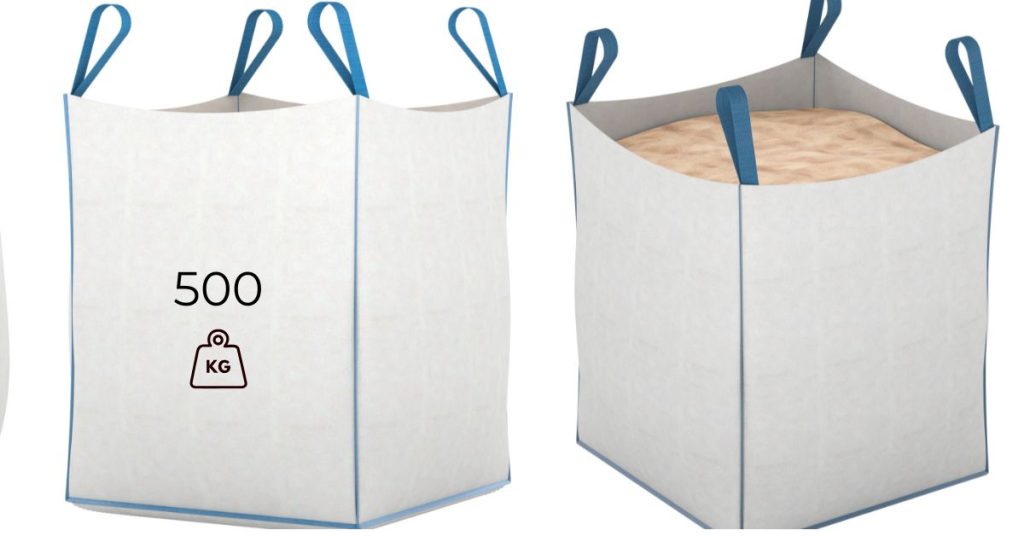
Worek big bag 500 kg to rodzaj elastycznego pojemnika wykonanego z odpornej na rozciąganie tkaniny polipropylenowej. Jego głównym przeznaczeniem jest przechowywanie i transport materiałów luzem – od granulatów, poprzez żwir i piasek, aż do produktów rolno-spożywczych. Oznaczenie 500 kg odnosi się do dopuszczalnej ładowności, jaką ten worek jest w stanie skutecznie i bezpiecznie udźwignąć.
Manufacturers offer a variety of designs - with hopper, hopper bottom, flat bottom or reinforced handles. Key features of big bags include:
Versatility of application
Resistance to mechanical damage
Ease of loading and unloading
Reusable
Taking up little space when folded
Applications that win out over traditional packaging
One of the biggest advantages of 500 kg big bags is their versatility. They are successfully used wherever traditional jute, paper or plastic bags do not pass the test. They perform perfectly in:
Construction (transportation and storage of cement, gravel, sand, concrete mix)
Waste management (storage and disposal of debris and bulky waste)
Agriculture (fertilizers, grains, feeds)
Chemical industry (granules, powders, chemical compounds)
Logistics and warehouses (transfer, storage of bulk raw materials)
Few packages save so much space and provide such a high level of convenience during use.
Key technical parameters
Big bags 500 kg muszą spełniać wyśrubowane wymagania bezpieczeństwa i wytrzymałości. Sposób ich wykonania oraz dobór materiałów są ściśle regulowane normami ISO oraz odpowiednimi dyrektywami unijnymi. Przykładowe parametry i wymiary:
Parameter
Typical value
Material
Polypropylene fabric, UV stabilized
Carrying capacity
500 kg
Height
90-120 cm
Width/depth
90-100 cm
Number of handles
4 or 2 corner
Safety factor
5:1 or 6:1
Top/bottom closure
Funnel / flat / chimney
When buying, it is worth paying attention to the type of stitching, the finish of the upper and lower parts and the handle system. The ease of carrying and emptying the bag depends on them.
Irreplaceable convenience for everyday work
With a capacity of 500 kg, the frequency of raw material handling can be reduced, resulting in a significant reduction in operating costs. The multi-layer fabric construction makes the big bags waterproof, protects the material from contamination, and at the same time can be easily maneuvered by forklifts or cranes.
In practice, use consists of the following steps:
Suspend the bag by the handles on the fork arms.
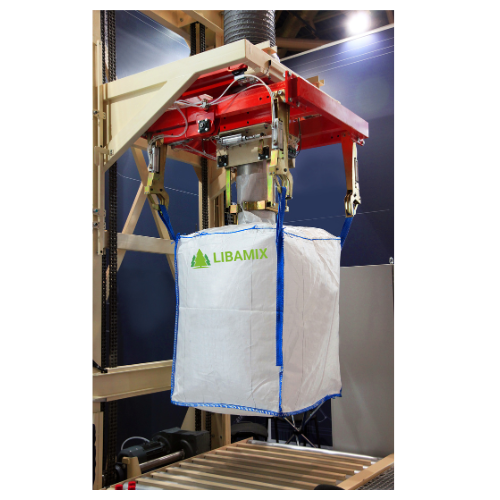
Filling with material, often directly from a silo or production line.
Transportation to destination.
Emptying by opening the drain funnel or cutting the bottom.
This minimizes the risk of material loss and makes operation intuitive. Even under demanding storage conditions, such a bag proves reliable.
Sustainability and ecology
Big bag bags also gain an advantage in terms of environmental protection. They are manufactured from materials that can be recycled. Many companies accept big bags for recycling, and it is not uncommon for them to be reused multiple times without losing functionality. In addition, the lightweight construction and ease of folding reduce the pollution associated with transporting empty packaging.
Primary ecological advantages:
Reduce the number of disposable packages.
Less plastic consumption due to reusability.
Reducing CO2 emissions through efficient cargo space management.
Reducing the amount of waste in landfills.
Consciously choosing big bags with the right technical parameters is a simple way to reduce the environmental footprint of your business.
Practical tips for choosing a 500 kg big bag
In order for a big bag to serve you long and effectively, several technical details should be taken into account right at the ordering stage:
Determine the type of material to be transported and its granularity.
Choice of filling method - whether the material is loose, dusty, sharp-edged.
Preferred emptying system (drain hopper or flat bottom).
Weather exposure - is UV protection necessary.
Frequency of use (disposable or reusable).
In practice, it is worth consulting your needs with the manufacturer. A well-tailored bag will translate into quality and convenience of daily work.
The most common questions about 500 kg big bags:
Can a big bag be used several times? Yes, most models are suitable for multiple use, as long as it has not been damaged.
Does the big bag absorb moisture? The bags themselves are not completely airtight, but there are coated and foil-lined versions.
Are all big bags certified for safety? Reputable manufacturers have certificates and approvals to prove quality.
When to choose another solution?
Not every situation requires a big bag with a carrying capacity of 500 kg. For very small or particularly dangerous products, it is better to choose specialized versions of bags equipped with additional safety features. On the other hand, for very light raw materials, larger bags are more favorable, allowing you to optimize logistics.
The importance of workmanship
The differences between manufacturers can be significant. The best bags are characterized by:
High-quality polypropylene fabric
Careful stitching
Reinforced handles
Adequate UV stabilization
It is worth comparing different offers, as investing in a higher standard of performance often offsets the risk of loss.
Big bag market and development trends
There is a growing interest in 500 kg big bags - the industrial, construction and agricultural sectors are increasingly focused on automating and speeding up logistics processes. This in turn is driving innovation in materials or closure systems.
Models with improved chemical resistance, big bags with improved sealing systems (for hazardous materials) and specialized barrier bags for food products are appearing on the market.
Already today, the largest warehouses or logistics centers are designed for big bag formats. Suppliers offer short runs, flexible orders and full graphics personalization, which even demanding customers appreciate.
Simple and efficient logistics
The use of 500 kg big bags greatly simplifies daily transport and storage operations. Small businesses and large enterprises benefit from ease of use, durability and reusability.
Such containers are becoming the foundation of modern and efficient processes in many industrial sectors. It is not without reason that they are one of the most frequently chosen solutions in bulk material logistics.
When considering the implementation of big bags, it is easy to find a number of advantages that distinguish this product from other packaging. Their popularity and positive user experience provide a strong basis for innovation in the work environment.
Potrzebujesz worków big bag 500 kg? Libamix produkuje je we własnej fabryce w Iłży – także w wymiarach na zamówienie. Zapytaj o wycenę – przygotujemy ofertę dopasowaną do Twojego towaru. Przy cięższych ładunkach sprawdź big bag 1000 kg.
FAQ – Worki Big Bag 500kg (Najczęściej Zadawane Pytania)
Czy worek big bag 500kg od Libamix jest bezpieczny do transportu ciężkich materiałów?
Absolutnie. Bezpieczeństwo to nasz priorytet. Stosujemy oznaczenie SF (Safety Factor), które określa wytrzymałość graniczną
Nawet jeśli wybierzesz big bag 500kg o współczynniku 5:1, oznacza to, że jego wytrzymałość konstrukcyjna jest testowana na znacznie wyższe obciążenia
Dodatkowo każdy szew w korpusie jest podwójny: pierwszy zapewnia siłę połączenia, a drugi gwarantuje bezpieczeństwo towaru.
Z czego wykonane są uchwyty w Państwa workach?
W Libamix nie idziemy na skróty. Nasze taśmy uchwytowe wykonane są z multifilamentu, który składa się aż ze 123 nici jedwabiu polipropylenowego
Każda z tych nici ma wytrzymałość 2000DN (gdzie 1DN to 7g)
Dzięki temu pojedyncza taśma w worku o załadunku 1000kg (SWL) wytrzymuje aż 1250kg, co przy mniejszym formacie, jakim jest big bag 500kg, daje ogromny margines bezpieczeństwa
Co wyróżnia jakość wykonania worków Libamix na tle konkurencji?
Solidne szycie: Używamy grubych igieł (4,3 mm) o kontrolowanej ostrości, co kluczowo wpływa na wytrzymałość splotu Specjalistyczne nici: Stosujemy skręcane tasiemki fibrylizowane, które nie przepalają się w igle i zachowują pełną moc pod wysokim naprężeniem. Cięcie na gorąco: Wszystkie elementy są wycinane termicznie, co zapobiega strzępieniu się materiału
Czy mogę zamówić worek big bag 500kg dostosowany do konkretnej branży?
Tak. Realizujemy projekty dla branży spożywczej (np. dla marek Lubella czy Maspex), rolniczej, chemicznej oraz farmaceutycznej
Możemy uszyć big bag 500kg z rękawem, kapturem lub o specyficznych właściwościach barierowych, wykraczających poza standardowy katalog
Na życzenie przygotowujemy prototyp produktu przed startem masowej produkcji.
Ton bags
Not everyone who has encountered the term "ton bag" knows how important a role this type of packaging plays in extensive logistics, storage or even agriculture and construction systems. A ton bag, also known as a big bag, is a container designed for transporting and storing various types of bulk materials, usually in industrial quantities. Their functionality, durability and flexibility of use make them applicable in virtually every sector of the economy, where there is a need to move or store large masses of products.
What exactly are "tone bags"?
Ton bags are large, flexible containers, usually made of polypropylene. Their design can vary widely, but the common denominator is impressive strength. As you can easily guess, the name refers to the standard payload capacity - these bags can hold up to a ton of material, although smaller or larger sizes are also available. A key feature is their compatibility with both simple and more advanced loading and unloading systems - such as forklifts and cranes.
Hundreds of millions of tons of bags are produced annually around the world. They meet the needs of companies in a wide variety of industries, from cement manufacturers to the food industry to farms.
Unique design and performance advantages
Materials used in the production of ton bags, such as specially woven polypropylene, guarantee resistance to mechanical damage and atmospheric factors. Many manufacturers also offer versions with additional coating to protect against moisture, UV radiation, or even with film inserts for transporting dusty or hygroscopic substances.
The advantages of these containers include:
Ease of transportation - both full and empty (thanks to folding capability).
Speed and simplicity of loading and unloading.
Minimize material losses during transportation.
Multiple use, and thus economic and environmental benefits.
No less important turns out to be the modularity of the ton bag design. There are versions with a different number of handles, openings or closing systems - customized to the individual needs of the user. Additional reinforcements, double stitching, protective layers or sewn-in labels are just some of the personalization options.
Applications that cross industry boundaries
The phenomenon of tonne bags goes beyond classic construction applications. Although most often found in the transportation of aggregates, sand, road salt or cement, they are increasingly boldly reaching other sectors as well.
Here is a list of the most popular applications:
Food industry (cereal grains, sugar, coffee)
Chemical industry (granulates, plastics, fertilizers)
Energy (transportation of biomass, post-industrial waste)
Agriculture (feeds, seeds, natural fertilizers)
Construction and earthworks (rubble, aggregates, cement)
Industrial waste and recycling (secondary raw materials, hazardous materials)
Below is a table showing a cross-section of typical applications:
Sector
Examples of transported materials
Requirements for tons of bags
Food industry
Cereal, flour, rice, coffee
Hygienic interior, tightness, dust control
Construction
Cement, sand, gravel
Resistance to moisture, high loads, UV
Chemistry
Granules, fertilizers, raw materials
Appropriate coatings, tightness, antistaticity
Agriculture
Seeds, feeds, natural fertilizers
Ease of emptying, mechanical strength
Recycling
Waste, secondary raw materials
Material identification, tear strength
As you can see, the goods that go into tons of luggage can have extremely different nature and requirements. Therefore, personalization of packaging parameters is not a fad, but a necessity.
Why are big companies investing in ton bags?
The main motive here is economic and logistical benefits. Companies are looking for ways to optimize processes, and packing bulk materials into bags with a capacity of up to a thousand kilograms significantly reduces costs associated with transporting, storing and handling the goods. By reducing the amount of intermediate packaging and the need for manual handling of materials, companies gain time and safety at work.
Don't forget the savings from reusable bags while maintaining proper cleanliness and safety standards - this also reduces packaging waste.
How to choose the best ton bag?
When choosing ton bags for your business, turn your attention to:
Load strength (SF certificates, or safety factor, such as 5:1 or 6:1)
Bottom type (flat, funnel-shaped, open, chute)
Type of closure
Number and type of handles (2, 4 or more)
Additional protections and coatings (anti-static, barrier, UV)
Compliance with standards for the transportation of hazardous materials
For some customers, labeling and the ability to easily identify a given bag during transport or storage will also be crucial. In this group, both simple and specialized bags are used - e.g. for transporting hazardous waste or substances requiring strict control of the internal atmosphere.
Ton bag vs ecology
Environmental consciousness is becoming an increasingly important selection criterion not only for packaging manufacturers, but also for entrepreneurs themselves using these solutions. Ton bags, although mostly made of plastic, can be recycled, and their reuse significantly reduces the carbon footprint associated with a company's operations.
Practice shows that just replacing single-use bags with durable reusable big bags can reduce the amount of waste by up to several tens of percent. And in sectors such as construction or agriculture, this is an invaluable argument.
Modern solutions and the future of the market
Rynek ton bagów rozwija się niezwykle dynamicznie, a producenci prześcigają się w opracowywaniu coraz to bardziej zaawansowanych technologii produkcji. Coraz częściej pojawiają się w ofercie rozwiązania dedykowane konkretnym zastosowaniom – big bags z systemami do kontroli pylenia, wersje z powłoką antystatyczną pozwalające na bezpieczny transport materiałów wybuchowych czy worki kompatybilne z systemami automatycznego napełniania i opróżniania.
Also, the number of materials used for big bags is steadily increasing - in addition to classic polypropylene, more and more experiments are being made with biopolymers, barrier coatings or even admixtures of recyclates to further reduce the environmental impact.
Example of implementation in the agricultural industry
To better illustrate the practical use of ton bags, it is worth mentioning one farm in central Poland that decided to replace classic 50-kilogram bags with modern big bags. The introduction of this change resulted in savings in both unit packaging costs and labor time - loading a single big bag takes only a few minutes, while handling smaller capacity bags required several hours a day.
Storage of feed, as well as its transportation within the farm, has become much simpler. Moreover, the farm has reduced packaging waste and gained the ability to store bulk material for a longer period without the risk of moisture.
Tips for proper use
To take full advantage of the potential of tonne bags, it is worth paying attention to a few rules:
Always check the condition of the bag before use, paying attention to any damage
Do not exceed the declared payload
Follow the manufacturer's instructions for use, especially with hazardous products
In case of repeated use - ensure that the interior is clean and free of contamination from previous transports
Thanks to the shift to a new generation of flexible packaging, there is a clear shift in attitudes toward transportation efficiency, safety and ecology on the part of both producers and consumers of bulk products. Big bags are an example of how modern logistics solutions can translate into real business and social benefits.
W świecie przemysłu, gdzie liczy się każdy kilogram i każda minuta, polypropylene bags są rozwiązaniem, na którym możesz polegać. To nie tylko opakowania – to gwarancja, że Twój towar dotrze do celu nienaruszony, a koszty operacyjne pozostaną pod kontrolą.
Dlaczego warto postawić na worki polipropylenowe?
Wybór odpowiedniego opakowania to inwestycja w bezpieczeństwo produktu. Worki wykonane z polipropylenu (PP) wyróżniają się na tle konkurencji trzema kluczowymi cechami:
Ekstremalna wytrzymałość: Odporne na rozdarcia i uszkodzenia mechaniczne, idealne do materiałów sypkich i ostrych krawędzi.
Ochrona przed otoczeniem: Materiał naturalnie chroni zawartość przed wilgocią, promieniami UV oraz działaniem chemikaliów.
Ekologia w praktyce: Nasze worki nadają się do wielokrotnego użytku i pełnego recyklingu, co wspiera strategię zrównoważonego rozwoju Twojej firmy.
Zastosowanie w wielu branżach
Niezależnie od tego, czy działasz w rolnictwie (zbiory zbóż, nasiona), budownictwie (gruz, piasek), czy przemyśle chemicznym – big bags polipropylenowe dopasowują się do Twoich potrzeb. Są lżejsze i tańsze w transporcie niż papier, a jednocześnie znacznie trwalsze niż bawełna.
Jak powstaje jakość? Proces produkcji
Wszystko zaczyna się od granulatu polipropylenu. W procesie wytłaczania powstają cienkie, lecz niezwykle mocne włókna, które następnie splatamy w gęstą tkaninę. To właśnie ten splot odpowiada za legendarną trwałość naszych produktów. Na końcowym etapie dbamy o detale: precyzyjne szwy, solidne uchwyty i czytelne nadruki fleksograficzne, które pomogą Ci wyróżnić Twoją markę.
Wskazówka eksperta: Aby maksymalnie przedłużyć życie worków, przechowuj je w suchym miejscu i unikaj ich nadmiernego przeciążania. Prosta dbałość o detale to oszczędność dla Twojego budżetu.
FAQ – Najczęściej zadawane pytania
FAQ – Najczęściej zadawane pytania
Czy worki polipropylenowe są wodoodporne? Sam splot polipropylenowy zapewnia wysoką odporność na wilgoć, jednak dla pełnej wodoszczelności stosuje się dodatkowe wkładki foliowe lub laminowanie.
Jaką wagę mogą udźwignąć worki polipropylenowe?
Wszystko zależy od gramatury i wymiarów. Oferujemy szeroki zakres pojemności – od standardowych worków 25-50 kg po ogromne kontenery typu Big-Bag.
Czy mogę zamówić worki z własnym nadrukiem?
Tak! Wykorzystujemy nowoczesną metodę fleksograficzną, która pozwala na umieszczenie trwałego i wyraźnego logo lub informacji technicznych bezpośrednio na worku.
Czy worki PP są ekologiczne?
Zdecydowanie tak. Polipropylen to materiał, który można w 100% przetworzyć. Dzięki ich trwałości, jeden worek zastępuje wiele opakowań jednorazowych.
Sandbag
Sandbags są nieodzownym elementem w wielu branżach, od budownictwa po rolnictwo. Ich wszechstronność i wytrzymałość sprawiają, że znajdują zastosowanie w różnorodnych sytuacjach, w tym jako skuteczne zabezpieczenie przeciwpowodziowe. W niniejszym artykule przyjrzymy się bliżej charakterystyce worków na piasek, ich zastosowaniom oraz ofercie firmy Libamix, producenta worków big bag.
Characteristics of sand bags
Sand bags are typically made of polypropylene, a material prized for its durability and resistance to mechanical damage. Polypropylene is also resistant to fungus, mold, UV radiation and many chemicals, making it an ideal material for bags designed to store and transport bulk materials.
Standard dimensions sandbags is 50x80 cm, which allows to hold about 25 kg of material. Larger bags of 65x105 cm are also available, holding up to 50 kg of sand. The thickness of the material they are made of is usually between 44 g/m² and 50 g/m², which provides adequate strength while maintaining a low dead weight.
Use of sand bags:
Construction
W branży budowlanej big bagssą wykorzystywane do transportu i przechowywania materiałów sypkich, takich jak piasek, żwir czy cement. Ułatwiają one organizację miejsca pracy, pozwalając na składowanie materiałów w sposób uporządkowany i bezpieczny. Dodatkowo, worki wypełnione piaskiem mogą służyć jako obciążniki stabilizujące konstrukcje tymczasowe, np. rusztowania czy namioty.
Agriculture
In agriculture sandbags are used to protect crops from soil erosion caused by strong winds or rainfall. They can also be used to build temporary irrigation canals and as weights when covering crops with agro-textile or foil.
Industry
In the industrial sector sandbags are used for packaging and transporting a variety of bulk materials, such as granules, powders or chemical raw materials. Their strength and resistance to external factors ensure safe storage and transportation of such products.
Company's offer Libamix
Libamix specializes in the production of big bags, offering a wide range of products to suit different customer needs.
Firma Libamix oferuje również możliwość szycia worków na zamówienie, dostosowując ich wymiary i specyfikację do indywidualnych potrzeb klienta. Dzięki temu przedsiębiorstwa mogą optymalnie wykorzystać przestrzeń magazynową i transportową, co przekłada się na efektywność logistyczną i redukcję kosztów.
Big-bag 1000 kg
Big Bag 1000 kg is a heavy-duty, large-size bag designed for transporting and storing heavy materials such as sand, cement, grain or chemical raw materials. Made of strong polypropylene, it allows safe handling of loads up to 1000 kg, protecting them from moisture and damage. Big bags are widely used in construction, agriculture, food and chemical industries, greatly facilitating logistics and optimizing transportation and storage costs.
Applications of big bags 1000 kg
Big bags 1000 kg znalazły szerokie zastosowanie w wielu branżach, gdzie wymagania dotyczące transportu i magazynowania są szczególnie wymagające. Dzięki swej wytrzymałości są niezastąpione w sytuacjach wymagających dużej nośności:
Construction industry values them for their ability to carry heavy materials such as sand or cement. They facilitate site management, minimizing the need for frequent transport of smaller loads.
In the agricultural sector These bags are used for storing and transporting seeds and grain. Their design allows the contents to be protected from the weather, which is key to preserving product quality.
In the chemical industrybig bags 1000 kg play an important role, serving to transport chemical raw materials. They provide not only durability, but also safety through appropriate manufacturing standards.
With the growing demand for efficient storage solutions, big bags 1000 kg meet these expectations, offering ease of manipulation and operational scalability.
To summarize, big bags 1000 kg is an investment in the efficiency and reliability of logistics processes. They are the foundation of multifaceted industrial operations, supporting a variety of industries.
Materials and durability - big-bag 1000 kg
Big bags 1000 kg are made of high-quality materials that guarantee their extraordinary durability and resistance.
The unique construction of each bag is based on selected polypropylene fibers, which are combined to provide maximum resistance to mechanical damage. In addition, reinforced seams minimize the risk of tearing, and the flexibility of the material promotes its adaptation to different types of cargo, which increases the safety of use in any environment.
Thanks to the innovative design solutions used, these bags not only withstand loads up to 1000 kgbut also protect products from moisture and sunlight. This level of protection makes them invaluable in industries exposed to changing weather conditions.
Regardless of the variety of applications, the robust construction of these bags ensures their reliability and longevity. By investing in big bag 1000 kg bags, companies gain confidence that their products are not only safely stored, but also efficiently transported. This is the solution of the future, helping to successfully meet the challenges of 21st century logistics.
big-bag 1000 kg
Korzyści z użycia worków big-bag 1000 kg
Use of bags big bag 1000 kg are a promise of durability and operational efficiency. They make it possible to optimize loading and unloading processes.
Their unique design allows them to store a variety of materials with full protection.
They help to significantly increase efficiency by allowing large loads to be transported with minimal human and equipment resources, resulting in time and cost savings.
Undeniably, the use of big bags definitely increases the level of organization and safety of work. By increasing precision in material handling, companies in many industries gain flexibility and agility in dynamically changing markets. These benefits are recognized in both short-term and long-term strategic planning, creating new standards of efficiency.
Transport i magazynowanie - worek big-bag 1000 kg
Thanks to big bag1000 kg, Transportation logistics is entering a whole new level of innovation, where stability and transport safety are becoming a priority. Their robust design minimizes the risk of damage to materials during movement.
The storage process becomes extremely simple with the use of big bags, enabling efficient space management in warehouses. Their compatibility with various conveyor systems makes them easy to integrate into existing structures. This solution generates a competitive advantage, enabling companies to respond instantly to customer needs, which in turn strengthens relationships and market position.
Big bag production process
Production big bags 1000 kg is a process that requires precise technology and advanced materials to ensure strength and durability.
The materials used must guarantee resistance to various environmental conditions.
The initial step is the fabrication of polypropylene fabrics, which are key to ensuring the structural integrity and flexibility of the product. Then, the fabric is subjected to reinforcement processes, gluing and cutting to size.
Through the use of modern technology and automation, the big bag production process achieves the highest quality standards. The goal is to produce a product that meets the most stringent requirements. In every phase, from the selection of raw materials to the final strength tests, reliability and safety are prioritized. This not only adds value to the products, but also strengthens customer confidence, making us leaders in the industry.
Parametry techniczne worka big bag 1000 kg
Parameter
Typical value
Material
Tkanina polipropylenowa stabilizowana UV
Bezpieczne obciążenie robocze (SWL)
1000 kg
Współczynnik bezpieczeństwa (SF)
5:1 (jednorazowy) lub 6:1 (wielorazowy)
Wytrzymałość graniczna przy SF 5:1
5000 kg
Najpopularniejszy wymiar
90 x 90 x 120 cm
Inne wymiary
90 x 90 x 90 cm, 90 x 90 x 180 cm, 100 x 100 x 100 cm – zależnie od gęstości nasypowej towaru
Ceny są orientacyjne – ostateczna wycena zależy od wymiarów, wyposażenia i wielkości zamówienia. Szczegóły opisujemy w artykule big bag price.
How to choose the right big bag?
Choosing the right big bag 1000 kg can often be a challenge, but with the right guidance you can make the right decision without difficulty.
First of all, it is worthwhile to carefully determine the type of material that will be stored and transported. Big bags differ in terms of their design and the material they are made of, which has a direct impact on their durability. Make sure that the chosen model is resistant to external factors, such as moisture or UV radiation, depending on the conditions of use.
In addition, consider choosing big bags with quality certification and safety approvals to ensure safe use. It is worth paying attention to construction details, including the type of closure and handles.
Ultimately, deciding on the right big bag 1000 kg, one should consider not only technical specifications, but also the opinions of other users and the manufacturer's references. Good feedback on the durability and reliability of the product, combined with a competitive price and the availability of after-sales service, should be the key factors that will influence the final decision. This allows you to achieve the highest quality and efficiency in daily use.
Comparison with other solutions
Big bags 1000 kg have many advantages.
Compared to traditional packaging and transportation methods, big bags 1000 kg are distinguished above all by their exceptional durability and flexibility. This makes them the ideal solution in situations where the safe storage and transport of large quantities of granular or powdered materials is required. Their reliability and ease of use make them indispensable in industry.
Other solutions often fail to match the stability.
For example, plastic containers can be less economical, especially when it comes to transporting large quantities. Big bags 1000 kg not only reduce costs, but also minimize the use of packaging materials, making them more environmentally friendly.
Summary
big-bag 1000 kg is an example of innovation in the logistics industry, offering the perfect combination of efficiency and sustainability. They are making companies more competitive, saving costs and raising operational standards, which is crucial for success in 2025. This trend confirms that investing in quality and reliability brings long-term benefits.
Potrzebujesz worków big bag 1000 kg? Libamix produkuje je we własnej fabryce w Iłży – także w wymiarach na zamówienie. Zapytaj o wycenę – przygotujemy ofertę dopasowaną do Twojego towaru.
Jakie wymiary ma standardowy worek Big Bag 1000 kg?
Choć wymiary mogą się różnić w zależności od gęstości nasypowej towaru, najpopularniejszy standard to 90 x 90 x 120 cm. Pozwala on na optymalne wykorzystanie powierzchni paletowej oraz stabilne piętrowanie w magazynie.
Czy worki Big Bag 1000kg są jednorazowego użytku?
To zależy od współczynnika bezpieczeństwa (SF – Safety Factor): 5:1 (Single Trip) – worki jednorazowe. 6:1 (Multi Trip) – worki wielorazowe, wykonane z grubszej tkaniny, które po odpowiedniej inspekcji mogą być użyte ponownie.
Czy w workach Big Bag można przechowywać żywność?
Tak, ale tylko w modelach posiadających odpowiedni atest spożywczy (Food Grade). Są one produkowane w sterylnych warunkach, z certyfikowanych materiałów, które nie wchodzą w reakcję z produktami takimi jak mąka, cukier czy ziarno.
Jak bezpiecznie podnosić wypełniony worek?
Worek należy podnosić pionowo, wykorzystując wszystkie cztery uchwyty transportowe. Ważne jest, aby widły wózka widłowego nie miały ostrych krawędzi, które mogłyby przeciąć zawiesia. Nigdy nie wolno przebywać pod zawieszonym ładunkiem.
Building Sacks - An Indispensable Item on Every Construction Site
Anyone who has had to deal at least once with construction, renovation or major cleanup work knows the importance of proper logistics and space organization. In this context, the following prove invaluable building bags. Thanks to their functionality and durability, they are an essential tool to support the efficiency of construction and renovation work.
What are construction bags?
Construction bags, znane również jako worki big bag, to duże, wytrzymałe torby wykonane z polipropylenu, które służą do przechowywania i transportu różnych materiałów budowlanych. Ich konstrukcja pozwala na przenoszenie dużych ilości materiałów, takich jak piasek, żwir, gruz czy cement.
Key features of construction bags:
High durability - resistant to mechanical damage.
Large capacity - They can hold up to several tons of materials.
Ease of transportation - Equipped with special handles for easy carrying.
Weather resistance - protect the contents from rain and wind.
Use of construction bags
Construction bags are used on every construction site, both in small renovations and large construction projects. Here are the most popular areas where they are used:
1. transportation and storage of bulk materials
Materials such as sand, gravel or cement must be stored and transported in a way that prevents them from spilling and wasting. Construction bags are ideal for this function, enabling safe storage and transportation.
2. removal of debris and construction waste
Large amounts of waste are generated during renovation and construction work. Construction bags are an excellent solution for collecting debris so that it can be easily removed from the construction site.
3. storage of materials on site
Construction bags help organize space on the construction site. They keep materials properly secured and organized, which increases the efficiency of work.
Advantages of using construction bags
Economy and efficiency
Construction bags are not only a practical solution, but also an economical one. Their use allows you to optimize the costs associated with transporting and storing materials.
Environmental protection
By being reusable and recyclable, construction bags help reduce waste. Using them on construction sites is a step toward a greener approach to construction waste management.
Ease of use
Construction bags are easy to handle. Equipped with handles, they allow quick loading and unloading. Their lightweight design makes them easy to transport, even in difficult construction conditions.
How to choose the right construction bags?
Choosing the right construction bags depends on several key factors, such as the type of materials to be stored in them and the conditions at the construction site.
Selection criteria:
Capacity - Depends on the amount of materials you plan to store or transport.
Strength - It is worth paying attention to the grammage of the material from which the bag is made.
Type of closure - The bags can have different closure systems, which affects the safety of stored materials.
Additional features - Such as water resistance or UV resistance.
Summary
Construction bags are an indispensable part of any construction site, which significantly affects the efficiency and organization of the work. Thanks to their versatility and durability, they are indispensable for the storage, transportation and disposal of construction materials. When choosing the right construction bags, it is worth paying attention to their technical parameters in order to best match them to the specifics of the work carried out.
We encourage you to visit big-bag.co.uk, where you will find a wide selection of construction bags to suit different needs and requirements. When you invest in quality construction bags, you are assured that your construction will go smoothly and without unnecessary complications.
Grain bags - an indispensable solution for agriculture
Worki na zboże to nieodłączny element każdego gospodarstwa rolnego. Służą one nie tylko do przechowywania, ale również do transportu różnego rodzaju zbóż. Wybór odpowiednich worków może znacząco wpłynąć na efektywność pracy oraz jakość przechowywanych plonów. W tym artykule przybliżymy, na co zwrócić uwagę przy wyborze worków na zboże oraz jakie korzyści niesie ze sobą ich stosowanie.
Why is the right choice of bags so important?
Grain is a raw material sensitive to storage conditions. Improper packaging can lead to:
Increased humidity - Which promotes the growth of mold and mildew.
Pest attacks - Such as mice or insects.
Mechanical damage - During transportation or handling.
That is why it is so important to grain sacks Were made of materials that are durable and resistant to the elements.
Big bags
Designed for storing and transporting large quantities of grain. They feature:
Large capacity - Standard big bags can hold from 500 kg to as much as 2,000 kg of grain. This significantly reduces the number of packages needed to store the crop, saving space and time during loading and unloading.
Solid construction - Made of heavy-duty materials, such as high-weight polypropylene, they are resistant to tearing, abrasion and weathering. Equipped with strong handles (usually four), they allow safe and easy handling with forklifts or cranes.
Reusable - When used and stored properly, big bags can last for many seasons. Their durability and resistance to damage make them an economical choice for farmers who value long-term solutions
Dodatkowo, worki Big Bag mogą być dostosowane do indywidualnych potrzeb użytkownika. Dostępne są modele z różnymi rodzajami zamknięć (np. leje zasypowe i wysypowe), wkładkami foliowymi chroniącymi przed wilgocią czy nawet z nadrukiem firmowym. Dzięki temu można je wykorzystać nie tylko do przechowywania, ale również jako element identyfikacji wizualnej przedsiębiorstwa.
The use of big bags also contributes to increased occupational safety. Reducing the number of manipulations of smaller packages reduces the risk of accidents, and sturdy materials provide protection against unexpected damage to the package and spilling of the contents.
What to look for when choosing grain bags?
Capacity and size - tailored to the amount of grain and storage capacity.
Fabrication material - Should be durable and resistant to external factors.
Certificates and approvals - guarantee quality and safety of use.
Price - It is worth comparing offers from different manufacturers, but remember that the cheapest solution is not always the best.
Additional features - Such as closures, handles or reinforcements.
Benefits of using the right grain bags
Security - Sturdy bags minimize the risk of accidents when carrying heavy loads.
Protecting grain quality - Protection against moisture, pests and damage.
Logistics efficiency - easier transportation and storage.
Cost savings - Less crop loss means more profit for the farm.
FAQ – Worki na zboże Libamix
Jaką wytrzymałość mają worki na zboże typu Big Bag?
Our grain sacks charakteryzują się ekstremalną odpornością dzięki zastosowaniu zaawansowanej technologii szycia. Przykładowo, taśma uchwytowa w naszych produktach składa się aż ze 123 nici jedwabiu polipropylenowego. Dodatkowo stosujemy współczynnik bezpieczeństwa SF 5:1, co oznacza, że worek o nośności 1000 kg wytrzymuje obciążenie graniczne do 5000 kg.
Czy worki na zboże od Libamix chronią plony przed rozsypaniem?
Tak, bezpieczeństwo towaru jest dla nas priorytetem. Każdy szew w korpusie worka jest podwójny: pierwszy odpowiada za siłę połączenia, a drugi stanowi dodatkowe zabezpieczenie ładunku. Ponadto wszystkie cięcia materiału wykonujemy na gorąco, co zapobiega strzępieniu się tkaniny i osłabieniu struktury opakowania.
Czy oferujecie worki na zboże o niestandardowych wymiarach?
Oczywiście. Jako jeden z największych producentów w kraju posiadamy własną szwalnię, krojownię i tkalnię. Dzięki temu jesteśmy w stanie przygotować każdą specyfikację pod indywidualne zamówienie klienta, wykraczając poza standardowy katalog produktowy. Możemy stworzyć prototyp dopasowany idealnie do Twoich potrzeb logistycznych
Dlaczego warto zamówić audyt opakowań przed zakupem?
Bezpłatny audyt pozwala dopasować grain sacks idealnie do Twojej linii produkcyjnej i sposobu załadunku. Nasi eksperci doradzą w kwestii rozmiaru i jakości tkaniny, co często pozwala obniżyć koszty produkcji i wyeliminować straty materiałowe.
What are the dimensions of big bags?
Big bags, znane również jako FIBC (Flexible Intermediate Bulk Containers), są niezastąpionym narzędziem w wielu branżach, od budownictwa po rolnictwo. Ich popularność wynika z dużej pojemności, wytrzymałości oraz możliwości dostosowania do różnych potrzeb logistycznych. Firma Libamix, jako wiodący producent worków big bag, oferuje szeroki wybór tych praktycznych opakowań, zapewniając również możliwość szycia worków na zamówienie według specyficznych wymagań klientów.
Custom sewing
One of Libamix's key strengths is its ability to sew big bags to order. This allows customers to order bags of unusual dimensions that perfectly fit the specific needs of their business. This innovative approach allows optimization of logistics and warehousing processes, which is crucial in today's rapidly changing business environment.
Advantages of sewing custom bags
Customized big bag orders have many advantages. First and foremost, the ability to customize the dimensions of the bags for a specific application allows for more efficient use of storage and transportation space. Here are some of the main benefits:
Optimum use of space: properly sized bags allow maximum use of available space, which is particularly important for transportation and storage.
Reducing logistics costs: By better matching the bags to the materials being transported, it is possible to reduce the number of transports, which translates into savings.
Increased safety: Custom-made big bags are better suited to the specifics of the materials being transported, minimizing the risk of damage during transit.
What are the standard dimensions of big bags?
The standard dimensions of big bags vary depending on their purpose and capacity. The most common sizes are:
90 x 90 x 90 cm: Small bags, ideal for storing and transporting smaller quantities of materials.
90 x 90 x 120 cm: Medium size bags, which offer a slightly larger capacity.
90 x 90 x 180 cm: Large bags, used to transport large quantities of heavy materials such as sand, gravel or grain.
100 x 100 x 100 cm: Universal bags, popular in various industries due to its versatility.
Wymiar dobiera się do nośności: w rozmiarach 90 x 90 x 90–120 cm najczęściej wykonuje się big bag 500 kg, a 90 x 90 x 120 cm to standard dla modelu big bag 1000 kg.
Big bag dimensions
Libamix is constantly developing its products, introducing new technologies and materials to ensure the highest quality of its bags. As a result, the big bags produced by Libamix are not only durable, but also environmentally friendly and suitable for various working conditions. The company also offers a wide range of additional options, such as bags with film inserts, bags with an open bottom, or bags with a liner closure, which further increases their functionality.
Big bag bags are an extremely versatile and practical solution in many industries. Libamix, as a manufacturer of these bags, offers not only standard dimensions, but also the possibility of sewing bags to order, which allows for a perfect fit for each customer's individual needs. Thanks to this, companies can better manage their logistics, reduce costs and increase the efficiency of their operations.
FAQ: big bag wymiary
Jakie są najpopularniejsze big bag wymiary?
Najczęściej spotykane to 90×90×90 cm, 90×90×120 cm oraz 90×90×180 cm. Dobór zależy od pojemności, gęstości materiału i wymogów logistyki.
Który rozmiar wybrać, jeśli potrzebuję około 1 m³?
W praktyce „około 1 m³” zapewniają worki z podstawą 90×90 cm i wysokością 110–120 cm. Dla cięższych materiałów (np. mokry piasek) lepiej wybrać niższy worek o tej samej podstawie.
Ile litrów ma big bag 90×90×120 cm?
To ok. 0,97 m³, czyli ~970 litrów (objętość teoretyczna; w realu zależy od stopnia wypełnienia i „rozprężenia” tkaniny).
Jak policzyć pojemność z wymiarów?
Przelicz wymiary na metry i użyj wzoru: dł. × szer. × wys. = m³. Przykład: 0,9 × 0,9 × 1,2 = 0,97 m³ → ~970 l.